


Introduction: Why Felines Dominate Modern Households
Throughout the last decade, felines have firmly established themselves as premier companion animals across European and American households. Countless families no longer view these creatures merely as domestic animals, but rather as integral family members. Their self-reliant nature, sharp cognitive abilities, and deeply affectionate dispositions render them perfect domestic partners for individuals occupying compact apartments, overextended professionals, and traditional families alike.
In sharp contrast to alternative domestic animals, felines display an incredible capacity to adjust to diverse domestic setups. They can flourish equally within constrained metropolitan apartments or expansive suburban properties. Their meticulous self-cleaning tendencies, silent demeanor, and straightforward daily maintenance demands make them exceptionally appealing to novice pet owners who are just starting their journey into Cat Care.
Nevertheless, fostering a feline companion adequately demands specialized understanding and absolute dedication. Deconstructing feline behavioral patterns, delivering precise nutritional frameworks, sustaining consistent preventative veterinary interventions, and designing a mentally engaging domestic habitat remain absolute prerequisites for securing a pet’s long-term physical soundness and emotional contentment.
This comprehensive operational manual delivers every essential insight required to master Cat Care, spanning from initial breed selection and nutritional planning to grooming methodologies, medical management, behavioral shaping, and fostering an unbreakable emotional connection with your animal companion.
Choosing the Right Cat for Your Lifestyle
Picking an appropriate feline companion is the foundational step toward constructing a rewarding, lifelong partnership with your future pet. Every individual feline possesses a distinct behavioral profile and specific metabolic energy demands. While certain lineages display highly interactive and energetic traits, alternative varieties exhibit a distinct preference for tranquil surroundings and quiet, low-energy companionship.
Top Cat Breeds Favored Across the United States and Europe
Particular feline lineages have garnered immense popularity within Western societies due to their predictable temperaments, striking aesthetic features, and superb domestic adaptability.
Maine Coon: Representing one of the largest domesticated feline lineages, the Maine Coon is globally celebrated for its deeply social and friendly demeanor. Frequently designated as “gentle giants,” these felines remain remarkably playful, highly intelligent, and effortlessly integrate into households with young children and alternative domestic pets.
British Shorthair: This specific lineage enjoys massive popularity throughout Europe, particularly within the United Kingdom. British Shorthair felines are widely recognized for their calm disposition, loving temperament, and minimal maintenance demands. Their distinctly rounded facial structures and dense, plush coats make them one of the most visually iconic breeds globally.
Ragdoll: Ragdolls are highly renowned for their uniquely tranquil and serene nature. Upon being held, their muscular structure completely relaxes, mimicking a soft toy—a physical trait that directly inspired their breed name. They display immense affection and consistently seek physical proximity to their human owners.
Siamese: Siamese felines are exceptionally intelligent, highly communicative, and intensely vocal. They thrive on direct human interaction and frequently forge profound, singular emotional attachments with their caretakers. Consequently, they demand a significantly higher level of daily engagement compared to more independent breeds.
Adoption vs. Buying a Cat
A vast majority of international animal welfare networks strongly advocate for shelter adoption over purchasing animals from commercial breeding facilities. Animal rescue centers across the United States and Europe continuously shelter millions of healthy felines in desperate search of permanent, loving households.
Opting for feline adoption actively preserves an animal’s life while incurring a fraction of the financial expenditure associated with commercial breeders. Felines sourced from reputable rescue infrastructure are generally fully updated on crucial immunizations, implanted with identification microchips, and routinely spayed or neutered prior to rehoming.
Conversely, specific prospective owners favor distinct lineages due to predictable behavioral and physical traits. Should you opt to purchase a feline companion, it is absolutely vital to identify an ethical, licensed breeder who prioritizes strict genetic health screening and humane animal treatment over commercial gain.
Decoding Feline Behavior and Communication
Felines express their internal states through highly nuanced, subtle behavioral cues. Developing the skill to accurately interpret these silent signals is one of the most critical responsibilities a dedicated caretaker can master in Cat Care.
The Mechanics of Purring: The sound of a purr is incredibly soothing to human ears. Although universally linked to emotional contentment, felines regularly purr when experiencing elevated stress, physical trauma, or when seeking external comfort. Avian and feline researchers suggest that purring frequencies may function as a biological healing mechanism, utilizing localized vibrations to stimulate tissue and bone density repair.
The Root of Kneading: Kneading refers to the rhythmic, alternating paw movements felines execute against pliable surfaces, such as soft bedding or an owner’s lap. This specific action is hardwired during infancy, where newborn kittens instinctively knead maternal tissue to stimulate milk flow. Adult felines replicate this exact motion exclusively when experiencing profound safety and emotional relaxation.
Why Felines Targets Furniture with Scratching: Scratching is a fundamental, unalterable instinct for all felines. This behavior allows them to successfully execute territorial scent marking, perform vital musculoskeletal stretching, and shed old claw sheaths to maintain optimal hunting readiness. Providing dedicated, vertical scratching infrastructure is mandatory to safeguard residential furniture from claw damage.
The Necessity of Extended Sleep Cycles: The vast majority of healthy felines spend approximately 12 to 16 hours per day asleep. This deeply embedded trait is a direct evolutionary hangover from their historical ancestral roles as apex predators. Modern domestic felines retain this primal instinct to hoard metabolic energy for short, intense bursts of physical activity.
The Ideal Nutritional Architecture
Formulating an appropriate dietary framework is the cornerstone of long-term feline vitality. Felines exist biologically as obligate carnivores, dictating that their anatomical frameworks are strictly engineered to extract vital energy and nutrients exclusively from animal tissues. A precisely balanced dietary strategy underpins physical stamina, internal organ functionality, and overall longevity.
Wet Food vs. Dry Food
Navigating the choices between moisture-rich and dehydrated diets remains a frequent topic of debate among pet owners.
Wet Formulations: Deliver substantially elevated moisture concentrations, which effortlessly maintains systemic hydration and heavily reinforces urinary tract functionality. A vast majority of veterinary professionals strongly advocate for embedding wet food as a staple within afeline’s daily nutritional schedule.
Dry Kibble: Offers excellent convenience and superior financial affordability. Nonetheless, dry formulations typically present negligible moisture profiles and frequently exhibit elevated carbohydrate concentrations.
Safeguarding long-term feline wellness becomes far more achievable when you merge dry and wet nutrition into a single, cohesive meal plan.
Essential Biological Nutrients
Due to biological limitations, a feline’s internal system is incapable of synthesizing certain essential dietary compounds independently. Felines must acquire critical life-sustaining elements directly from external food sources, as their bodies lack the ability to manufacture them. The most vital nutrients encompass:
Taurine: A foundational amino acid absolutely critical for sustaining myocardial health, sharp visual acuity, and optimal reproductive functionality. A prolonged absence of dietary taurine inevitably culminates in severe, irreversible organ failure.
Premium Animal Proteins: Felines require vastly superior dietary protein concentrations compared to humans or canines. Animal-derived protein serves to construct lean muscle mass, power metabolic processes, and preserve structural physical integrity.
Essential Fatty Acids: Targeted concentrations of Omega-3 and Omega-6 lipids preserve epidermal moisture, mitigate systemic inflammatory responses, and cultivate a sleek, highly lustrous coat.
Toxic Substances to Avoid
A wide array of common human dietary items pose extreme, lethal toxicity to the feline metabolism. Caretakers must aggressively prevent access to:
Industrial chocolate and cocoa products.
Onions, leeks, and garlic formulations.
Whole grapes and dehydrated raisins.
Any concentration of ethanol or alcohol.
Concentrated caffeine sources.
Unbaked yeast doughs.
Even minor ingestions can rapidly trigger acute systemic poisoning; thus, maintaining an entirely secure storage environment for these items is paramount for safeCat Care.
Creating a Stimulating and Secure Indoor Sanctuary
To ensure superior Cat Care, a consensus of veterinary scientists recommends raising felines exclusively within indoor settings. Indoor confinement dramatically extends a pet’s life expectancy by entirely removing threats like automotive traffic, predatory wildlife, and highly contagious infectious pathogens.
To guarantee that an indoor lifestyle remains rewarding and mentally enriching, caretakers should incorporate:
Vertical Cat Trees and Perches: Felines possess an evolutionary drive to seek high vantage points. Erecting tall cat trees, structural wall shelves, or window perches allows them to safely engage in natural climbing and territorial surveying behaviors.
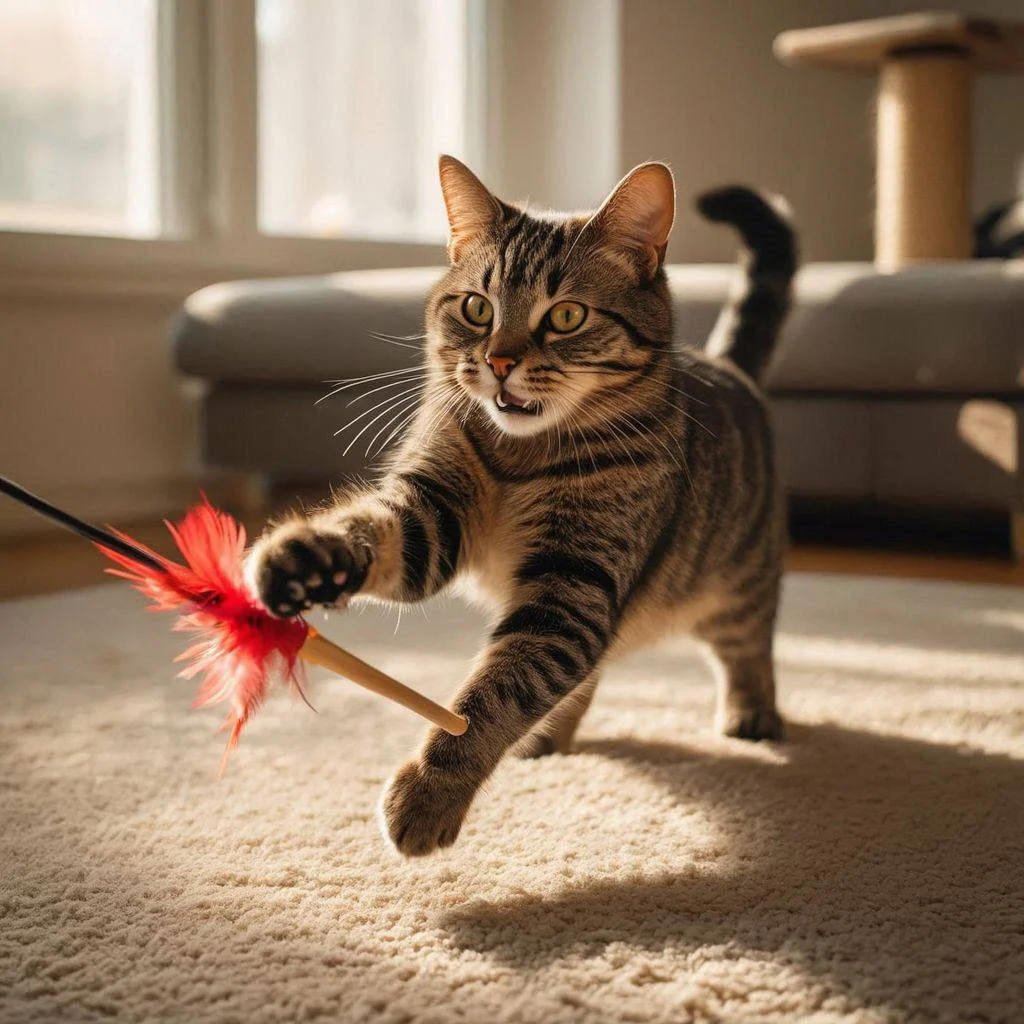
Predatory Simulation Toys: Utilizing interactive toys that replicate prey movements—such as articulating feather wands, rolling balls, or controlled laser targets—ignites their primal hunting instincts. Implementing routine daily play intervals is a crucial strategy to counter domestic obesity and minimize stress-induced behavioral anomalies, as domestic obesity is one of the most common health issues, making it a priority in Cat Care for domestic cats.
Dedicated Window Observation Platforms: Felines find immense entertainment in monitoring outdoor environments. A secure window perch grants them unhindered visual access to flying birds, moving insects, and neighborhood activity—frequently characterized as interactive “feline television.”
Grooming Protocols and Daily Hygiene Maintenance
Despite the reality that felines are naturally fastidious self-cleaners, human intervention is required to sustain pristine hygiene and physical health.
Coat Brushing: Routinely brushing your pet eliminates dead undercoat fibers, drastically limits the formation of hazardous internal hairballs, and spreads natural skin oils. Long-haired lineages demand a dedicated daily brushing routine, whereas short-haired varieties typically require only one to two structured sessions per week.
Claw Management: Executing precision nail trims every few weeks keeps the claws at a safe length, avoiding painful overgrowth, ingrown paw pads, and accidental domestic scratches.
Sanitary Litter Box Management: Felines demand an immaculately clean elimination environment. Caretakers must scoop solid waste daily, perform a complete litter replacement and box sanitization weekly, and maintain a strict ratio of one functional litter box per feline, plus an additional backup box across multi-cat environments.
Preventative Veterinary Medicine
Scheduling routine, proactive medical evaluations remains an absolute pillar of responsible Cat Care.
Core Immunizations: Proactively insulate your pet against lethal conditions such as rabies, feline leukemia virus (FeLV), and feline distemper (panleukopenia). Kitten immunization protocols typically launch between 6 and 8 weeks of age.
Parasitic Defensive Barriers: Defend your feline companion against external fleas, ticks, and internal heartworms or intestinal parasites through the unyielding application of veterinary-approved preventative treatments.
Surgical Spaying and Neutering: Sterilization completely eliminates the risk of accidental litters, significantly lowers the incidence of reproductive cancers, and permanently curtails problematic behaviors like urine spraying and territorial aggression.
Delivering this comprehensive level of daily attention guarantees that your animal companion remains physically robust, emotionally balanced, and highly active for the long haul. Backed by precise targeted nutrition, an enriched domestic sanctuary, meticulous hygiene, and consistent preventative medical oversight, your feline companion will effortlessly thrive across all biological markers
Mental Health and Emotional Well-Being
Comprehensive Cat Care extends far beyond delivering daily sustenance; although felines frequently project an aura of total self-reliance, they continuously require emotional enrichment and active social engagement. A chronically under-stimulated animal can easily develop profound behavioral anomalies, including destructive clawing, non-stop vocalization, or sudden bouts of territorial aggression.
For this reason, maintaining unwavering personal engagement remains an absolute priority. Designing a dedicated daily schedule for your pet is a foundational pillar of proactive Cat Care. Within this framework, establishing routine daily play intervals is a vital strategy to ensure emotional stability.
Environmental Enrichment: Regularly cycling through different toys, introducing complex puzzle feeders, and building vertical climbing zones are fantastic methods to keep your pet’s cognitive faculties sharp and occupied.Social Bonding: Domestic felines form intensely deep psychological attachments to their human caretakers. Consistently speaking to your pet, offering gentle physical affection, and spending quiet moments together strongly fortifies this lifelong relationship.Your Attractive Heading
Domestic Obesity
Accumulating excess body fat represents one of the most widespread health issues, making it a priority in Cat Care for domestic cats. Carrying superfluous weight directly exposes your pet to hazardous conditions, such as:
Type-2 feline diabetes.
Debilitating joint degradation and arthritis.
Chronic cardiovascular and heart diseases.
“To successfully neutralize the threats of feline obesity, integrating targeted caloric limits with active physical stimulation remains a non-negotiable pillar of modern Cat Care.
Advanced Dental Disease
A vast majority of felines exhibit varying degrees of oral deterioration as they transition into senior life stages. Scheduling frequent veterinary oral examinations and integrating specialized functional treats designed for Cat Care and dental hygiene contribute to healthier teeth and gums.
. Feline Urinary Tract Problems
Male felines are biologically predisposed to developing acute urinary blockages, which constitute critical medical emergencies. Attentive
Cat Caremeans watching for signs like difficulty urinating or crying in the litter box, alongside repeated, unproductive attempts to eliminate. Should these acute symptoms surface, securing immediate emergency veterinary intervention is mandatory.
Building a Strong Bond With Your Cat
Nurturing unshakeable trust with a feline companion is a gradual process. Effective Cat Care works best when cats have calm environments and predictable routines, as chaotic surroundings can trigger persistent anxiety.
Respect Their Physical Boundaries: Unlike domestic canines, felines strongly dislike forced physical interactions or restricted movement. Proper Cat Care means allowing your cat to initiate contact and approach you first on their own terms.
Master Their Communication Style: Felines convey their feelings through posture, vocal noises, and distinct actions. Developing a deep understanding of these subtle physiological signals is an advanced Cat Care skill that helps build a stronger relationship.
Establish Environmental Security: Maintaining fixed, predictable intervals for feeding, recreational play, and resting allows your pet to feel entirely safe and relaxed within their domestic territory.
Conclusion
Felines are remarkably intelligent, endlessly fascinating companions that inject profound comfort and emotional warmth into millions of homes globally. “Despite projecting an aura of complete self-sufficiency, these animals strictly depend on informed and dedicated owners to provide tailored dietary plans, environmental security, and steady emotional stabilization
By actively deconstructing feline psychology, executing a clean dietary regimen, enriching their living environment, and prioritizing routine preventative medical oversight, you can easily ensure a high standard of Cat Care for a long and happy life.
The unique connection between humans and felines is built entirely on mutual trust and silent understanding. Through the application of patience, targeted attention, and genuine love, your pet will seamlessly transition from a mere domestic animal into a deeply cherished, irreplaceable member of your household. Following these fundamental Cat Care principles will ensure a happy life for your pet.
- .
.


