

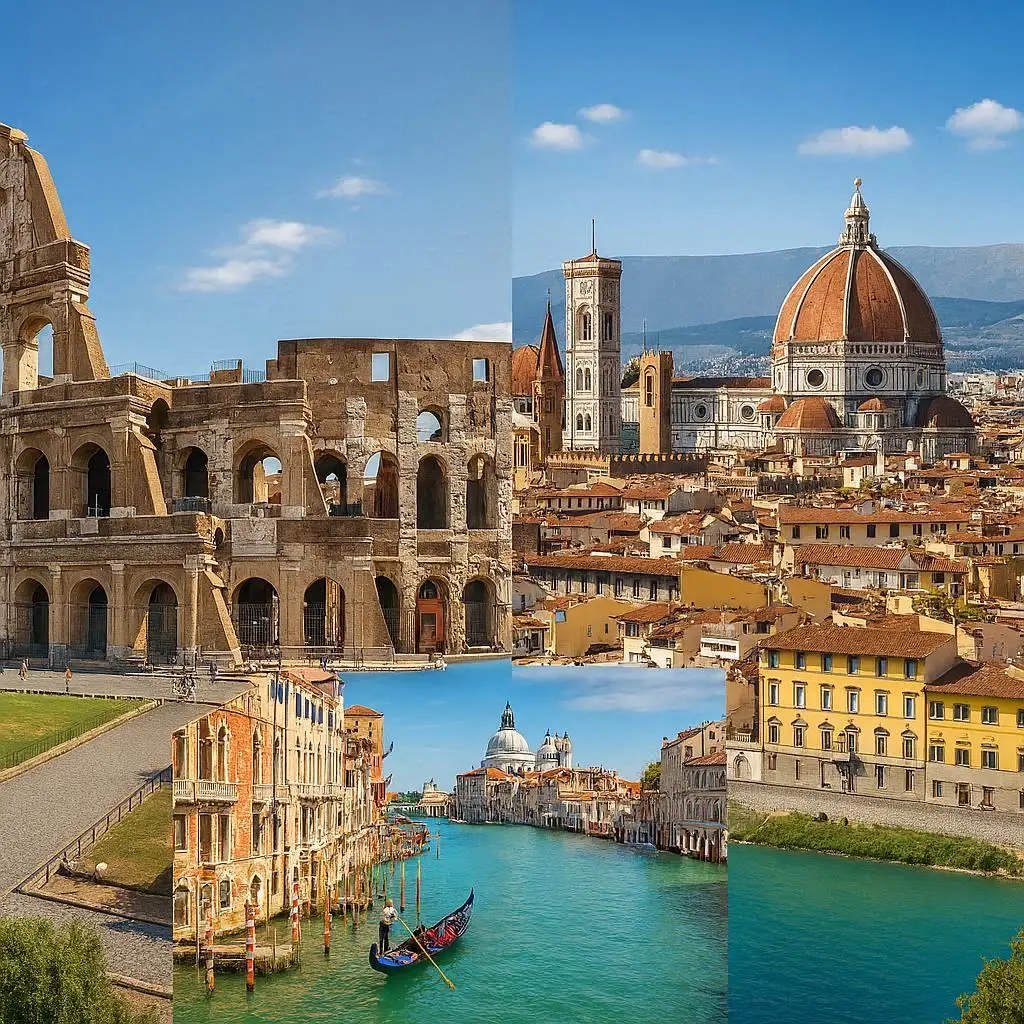
The Definitive Italy Travel Guide: Discovering Authenticity Beyond the Postcard
Introduction: Italy Like Never Before
Welcome to this comprehensive Italy Travel Guide — a curated journey into a Mediterranean country that isn’t merely a vacation destination, but a living, breathing storybook. Beyond the heavily photographed landmarks, crowded cobblestone plazas, and avenues packed with tour groups, this Italy Travel Guide uncovers profound cultural experiences that typically remain known only to lifelong locals. Imagine sharing an early morning espresso with a master artisan in Florence, navigating the silent, mist-covered canals of Venice before sunrise, or unearthing a rare winter truffle deep within a pristine Tuscan forest.
This foundational Italy Travel Guide is specifically engineered for independent travelers who desire to explore the Italian peninsula authentically. Our roadmap seamlessly blends mandatory historical attractions with hidden geographic gems, insider logistical secrets, and immersive cultural interactions.
Best Time to Visit Italy
The microclimates across the peninsula significantly dictate your seasonal experience. A well-rounded Italy Travel Guide breaks down the regional year as follows:
Spring (April–June)
Secret Tip: This Italy Travel Guide recommends visiting smaller hill towns like Orvieto or Civita di Bagnoregio during the early morning hours to enjoy ancient stone pathways completely devoid of crowds.
Summer (July–August)
Mandatory Tracks: Head directly to the Cinque Terre and the Amalfi Coast for vertical cliffside hiking and pristine open-sea views.
Local Insight: Escaping the mid-day heat is easy if you attend late-night local food festivals (Sagre) in small provincial villages to observe authentic Italian traditions in full swing.
Autumn (September–October)
Highlights: World-class wine pressing and truffle hunting festivals dominate the rural landscapes of Tuscany and Umbria.
Pro Tip: Join a certified, guided olive oil pressing and tasting tour within Puglia—a rare experience that very few international tourists know exists.
Winter (November–March)
Atmosphere: Exceptionally quiet city centers, festive holiday lighting displays, and majestic, snow-capped alpine peaks.
Activities: World-class alpine skiing in the Dolomites, authentic alpine Christmas markets in Bolzano, and the iconic Venice Carnival in February.
Hidden Gem: Experience a silent gondola ride through the winter morning fog. During these months, Venice feels hauntingly magical, artistic, and entirely private.
Entry Requirements & Travel Basics
According to any authoritative Italy Travel Guide, these are the mandatory essentials for a smooth journey:
Visa Regulations: Passport holders enjoy entry privileges granting a maximum of three months of unrestricted transit across the Schengen zone.
Currency: Euro (€). This practical Italy Travel Guide highly recommends carrying physical cash, as small independent shops in rural villages rarely accept international credit cards.
Language Dynamics: While Italian is dominant, locals deeply appreciate basic conversational phrases: “Buongiorno” (Hello/Good morning), “Grazie” (Thank you), and “Dove si trova…?” (Where is…?).
Connectivity: Rent a portable pocket Wi-Fi device or activate a local eSIM card immediately upon arrival for real-time map navigation, digital reservations, and instant translation.
Transportation: Beyond the Tourist Map
Navigating the country is incredibly straightforward once you understand the transportation breakdown outlined in this Italy Travel Guide:
The Train Network: High-speed rail lines (Frecciarossa and Italo) efficiently connect major hubs like Rome, Florence, Milan, and Naples. This Italy Travel Guide suggests switching to regional trains when exploring the rolling hills of Tuscany or smaller provincial towns.
Car Rentals: Absolutely essential if your itinerary includes navigating the Amalfi Coast, rural Tuscany, or the vast olive groves of Apulia. Tip: Always reserve compact vehicles to safely navigate tight historical street corners.
Public Transit: Comprehensive metro and bus networks operate flawlessly within major cities. Purchasing multi-day transit passes saves considerable money.
Walking & Biking: Historic city centers are strictly pedestrian-friendly zones. Cities like Florence and Siena offer incredible guided bicycle tours.
Insider Tip: Download the official Trenitalia app onto your smartphone to check real-time train delays and book tickets directly, successfully avoiding predatory third-party platform fees.
Must-Visit Cities & Unique Experiences
Rome: Hidden Corners of the Eternal City
Neighborhood Focus: Explore Trastevere—an enchanting maze of cobblestone streets, family-run artisan gelaterias, and authentic local trattorias.
Aventine Hill Keyhole: Peer through the famous secret keyhole of the Knights of Malta to see St. Peter’s Basilica framed perfectly by manicured hedges.
Testaccio Market: Skip the tourist traps and sample authentic Roman street food like Supplì (fried, cheese-stuffed rice balls).
Local Insight: Watching the sunset from Gianicolo Hill offers sweeping, panoramic views of the Roman skyline far away from tourist congestion.
Secret Experience: Book a private pasta-making masterclass inside a local Roman home to master and taste genuine Carbonara the traditional way.
Florence: Renaissance Meets Local Life
Discovering the cradle of the Renaissance with an optimized Italy Travel Guide reveals its true artistic soul:
Piazza Santo Spirito: Spend an afternoon meeting local woodworkers and artists while enjoying authentic, reasonably priced Florentine meals.
Giotto’s Campanile: Climb this spectacular bell tower for breathtaking city views without dealing with the massive reservation crowds of the Duomo.
Boboli Gardens: Explore the vast, historical manicured grounds to find hidden stone fountains ideal for peaceful, reflective walks.
Local Tip: Arriving early in the morning at the historic Mercato Centrale grants you direct access to fresh local produce, artisanal cheeses, and handmade pasta.
Story Experience: Any specialized Italy Travel Guide would recommend strikes up a conversation with a traditional gelato master to sample rare, heritage flavors like Rose Petal or Basil Lemon.
Venice: Secret Canals & Morning Mist
Murano & Burano Excursions: Appreciate the elite craftsmanship preserved inside historic glassblowing furnaces prior to exploring vibrant maritime alleys flanked by vividly saturated homes.
The Quiet Canals: Set your alarm for 6:00 AM to explore the residential districts of Cannaregio completely alone.
Cicchetti Tour: Spend an evening sipping local wine and sampling Venetian tapas in the small, historic bars known as Bacari.
Local Experience: Attend an authentic lace-making workshop in Burano, supporting a delicate, historic craft that is almost forgotten by mass tourism.
Pro Tip: Skip the expensive gondola stations directly at San Marco; instead, hail quiet gondolas from hidden, residential docks for a much more authentic tour.
Amalfi Coast & Naples: Coastal Charms
Exploring the southern coastline with this modern Italy Travel Guide reveals truly jaw-dropping maritime vistas:
Positano & Amalfi: Iconic vertical villages defined by multi-tiered rows of softly tinted homes built directly into towering Mediterranean cliffs.
Capri: Take the scenic chairlifts up Mount Solaro, view the Blue Grotto, and hike the lesser-known coastal paths.
Naples: As the official birthplace of pizza, this Italy Travel Guide suggests waiting for a table at historic pizzerias like Da Michele or Sorbillo for a truly authentic culinary experience.
Hidden Beaches: Seek out Lido di Furore and Marina di Praia—secluded coastal inlets that remain remarkably quiet even during peak summer months.
Local Tip: Rent a small, private boat for an afternoon to access hidden swimming caves that can only be reached from the water.

Tuscany Countryside: Beyond the Wine
Chianti & Montepulciano: Sample artisanal vintages within legacy, ancestral estates.
“Siena & San Gimignano: Marvel at the towering historic stone monoliths before exploring the compact, centuries-old pedestrian alleys
Culinary Workshops: Master the artisan prep of handmade noodles, savory reductions, and traditional pastries inside an idyllic, rustic countryside estate.
Agriturismo Stays: Live exactly like a local farmer by booking a stay at a working agricultural estate, waking up to farm-fresh, organic breakfasts.
Hidden Perspective: Bypass mainstream crowds by exploring Volterra, where ancient pre-Roman relics and historic translucent stoneware workshops remain beautifully secluded.
Milan & Northern Italy
Duomo di Milano: Secure a rooftop pass to walk among the spectacular Gothic spires and take in views of the modern skyline.
Galleria Vittorio Emanuele II: Walk through the historic 19th-century shopping arcade to admire luxury Italian design and local boutique architecture.
Lake Como: Take a refreshing day trip north to tour historic villas, relax in lakeside cafes, and hike hidden alpine trails.
Bergamo: Explore this stunning medieval old town (Città Alta) characterized by narrow stone alleys, excellent defensive wall views, and authentic regional cuisine.
.”Insider Recommendation: To immerse yourself in genuine Lombardian gastronomic heritage, sample the heritage, flame-simmered cornmeal specialties unique to Bergamo
Italian Cuisine: Eat Like a Local
To maximize your dining experiences, this Italy Travel Guide outlines the essential regional dishes you must track down:
Rome: Cacio e Pepe (pecorino cheese and black pepper), authentic Carbonara, and crispy Supplì.
Naples: Authentic Pizza Margherita cooked in wood-fired ovens, and flaky Sfogliatella pastries.
Florence: Massive Bistecca alla Fiorentina (Florentine steak) and hearty Ribollita (vegetable and bread soup).
Venice: Fresh seafood risotto and Sarde in Saor (sweet and sour marinated sardines).
Tuscany: Pici fresh pasta, world-class Chianti red wines, and artisanal truffles.
Secret Tip: Always ask residential locals for the locations of Trattorias hidden down quiet residential alleys—they consistently provide the most memorable, unaltered food experiences.
Cultural Etiquette
Adhering to proper behavioral etiquette detailed in this Italy Travel Guide ensures a respectful, warm interaction with the local community:
Social Greetings: Always greet shopkeepers and hosts politely upon entering with a warm “Buongiorno” (daytime) or “Buonasera” (evening).
Sacred Spaces: Dress modestly when entering churches or cathedrals, ensuring your shoulders and knees are covered to respect deep local traditions.
Public Decorum: Avoid exceptionally loud or disruptive behavior in public spaces, particularly on public transportation.
Community Respect: Always respect organized queues at ticket counters and maintain polite personal space.
Tipping Dynamics: Tipping is minimal across Italy; simply check your bill for the words “Coperto” or “Servizio Incluso” (service included).
Hidden Gem: This Italy Travel Guide highly suggests participating directly in seasonal neighborhood festivals to experience authentic Italian culture rather than booking synthetic tourist shows.